Mission and Philospohy
Locked In Canine's mission is to guide committed owners in developing a deeper relationship with their dog — by becoming their reliable leader. Our philosophy is simple: you can’t program a dog. Meaningful training requires just as much effort from the handler as it does from the dog. We use balanced training methods, teach and reinforce heavily through play and games, and always work with the individual dog in front of us. The approach should — and does — look a little different for every dog.
Most issues we experience with our dogs stem from a lack of clarity, insufficient biological fulfillment, and improper tool use. I will teach you how to develop clear communication with your dog, fulfill their biological needs, and properly utilize training tools, leading to a life with more flow, rhythm, and freedom—in other words, a dog that willingly listens to you.
A key concept we emphasize is this: if you want your dog to listen to you, you must become someone worth listening to.
Training any dog begins with the handler first learning the basic principles of communication and pressure. We communicate with our dogs in three primary ways:
Verbal communication through signals and commands
Non-verbal communication through spatial pressure and body language
Tool pressure through leashes, collars, and e-collars
1. Clarity: Freedom & Compliance
The good life with and for your dog is not built on obedience and dominance alone, but on clarity leading to more freedom. Obedience is only one "window" of a dog's life, yet it is critical for teaching compliance. We need our dog to show reliable compliance, but it is on us to make it happen.
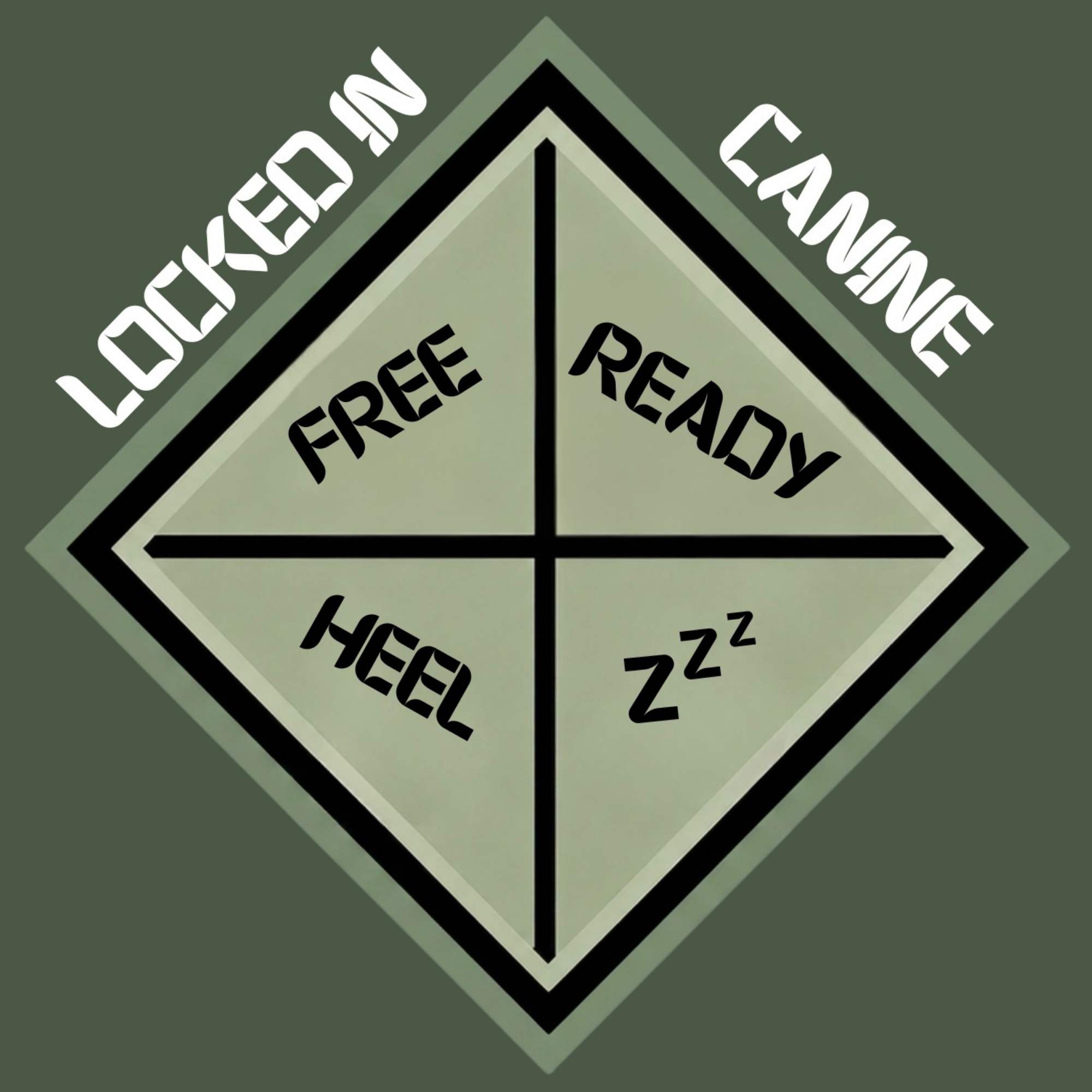
Life with your dog can be divided into four distinct windows, or mindsets, that they occupy. Using the "Windows Theory" framework popularized by Jay Jack, I will show you how to teach signals that influence the state of mind you want your dog to be in during any given moment. Those states of mind are: Free (verbal signal “Free”), Play (verbal signal “Ready”), Work (verbal commands, like “Heel”), and Rest (non-verbal communication, such as ‘reading the room’).
This is not magic. It requires effort, patience, and consistency from you. But the results are well worth it.
2. Non-Verbal Communication
Non-verbal communication occurs all the time between you and your dog.
I will show you how to avoid unintentionally sending mixed signals that often communicate the opposite of what you truly want (for example, cuing activation when your dog should be resting). I will also teach the importance and proper use of spatial pressure because, ultimately, your body is the most fundamental and salient tool for communicating with your dog.
3. Tool Use and Pressure
In addition to our physical presence, we use tools to help teach and reinforce our verbal and non-verbal communication. These tools are often critical during those challenging moments when it is difficult for a dog to listen.
Why would a dog come when every instinct in their body is begging them to chase a squirrel? A treat or toy will never beat biology. Properly used tools, however, can compete with biology and ultimately provide a dog with greater freedom to simply be a dog.
All tools require sensitivity, care, patience, and a deep understanding of fair and safe application. Intention and context are everything when it comes to tool use, and they must be paired with the clarity and understanding of pressure discussed above.
Starting with a simple leash and collar, I will show you how to responsibly progress to more advanced tools that can provide your dog with greater freedom while making life easier for you.
Successful training—and success in everyday life with your dog—occurs whenever they are "locked in" to a particular mindset, or window, that you have signaled them into.
"Locked in" is a colloquial term meaning intense focus.
Imagine a dog intently sniffing along a walking trail and marking certain bushes. Imagine a dog completely relaxed on the couch while children create chaos throughout the house. Imagine a dog enthusiastically tugging their favorite toy with their handler in a busy park. Or imagine a dog maintaining a focused heel position while navigating a crowded airport.
Each example represents a distinct window: Free, Rest, Play, and Work.
The particular window a dog occupies should be initiated by you and willingly accepted by the dog. My goal is to guide you toward achieving that ultimate flow, leadership, and partnership with your dog.
Check out our private Facebook group: Locked In Canine Community!
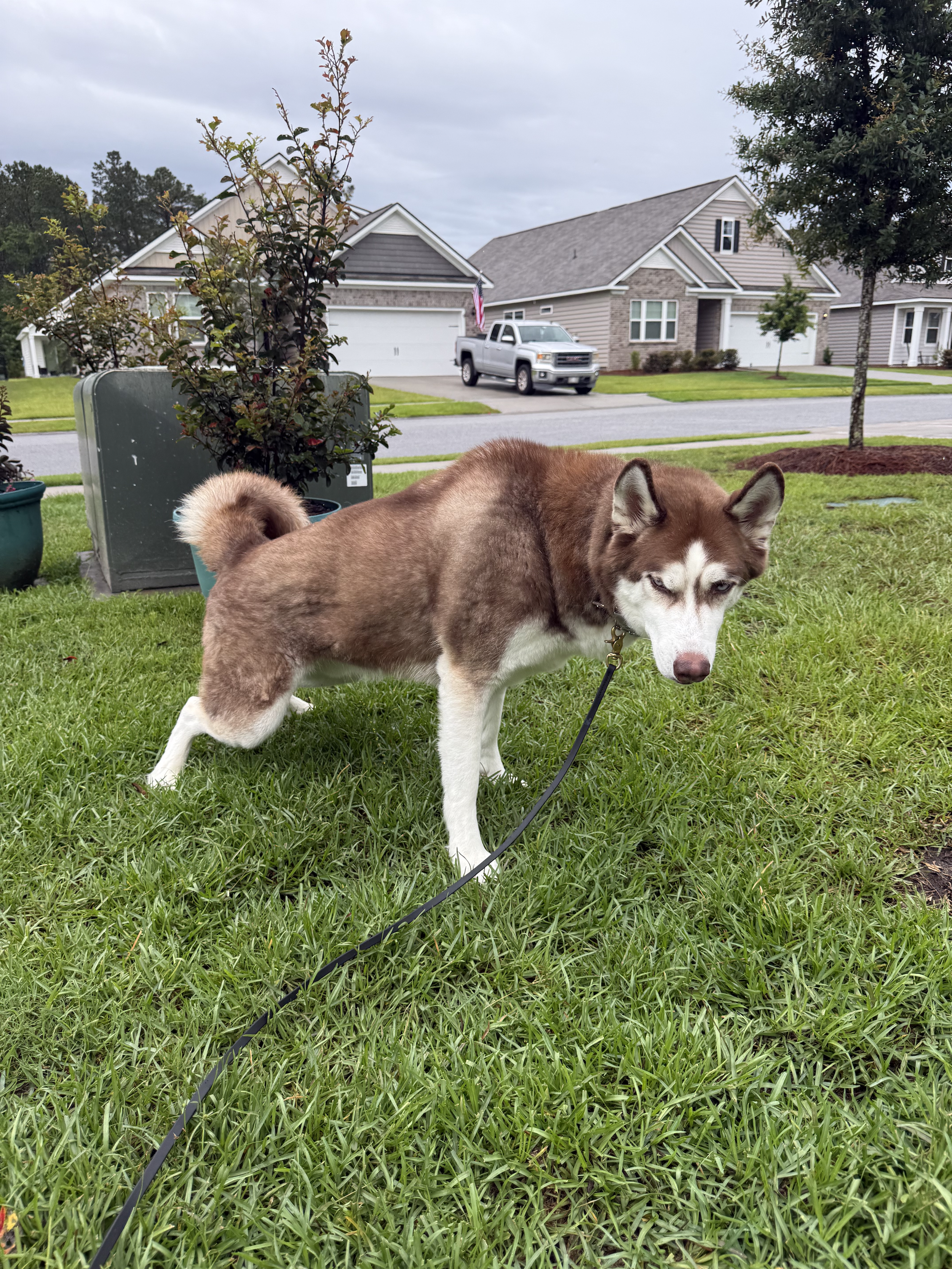
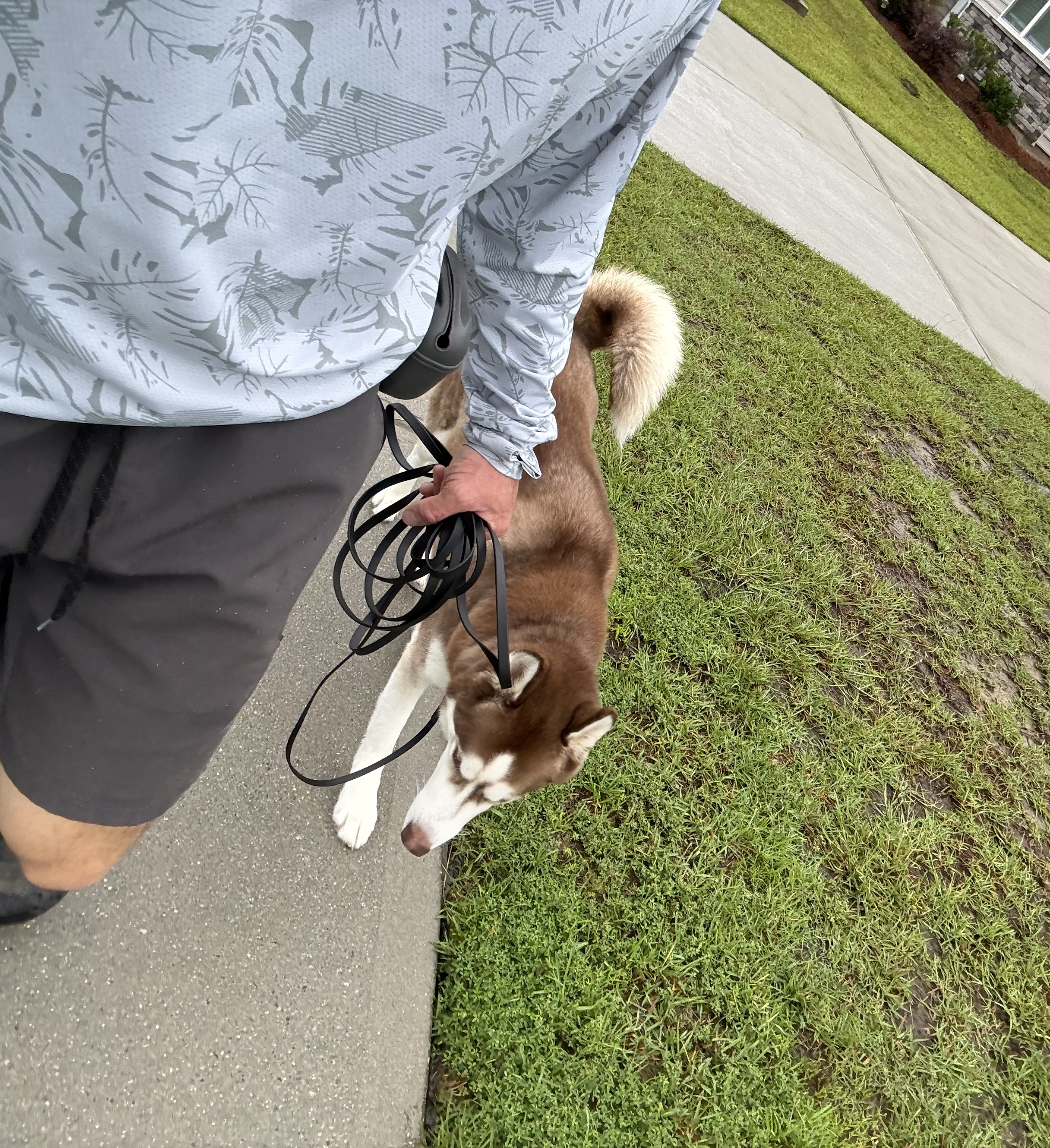
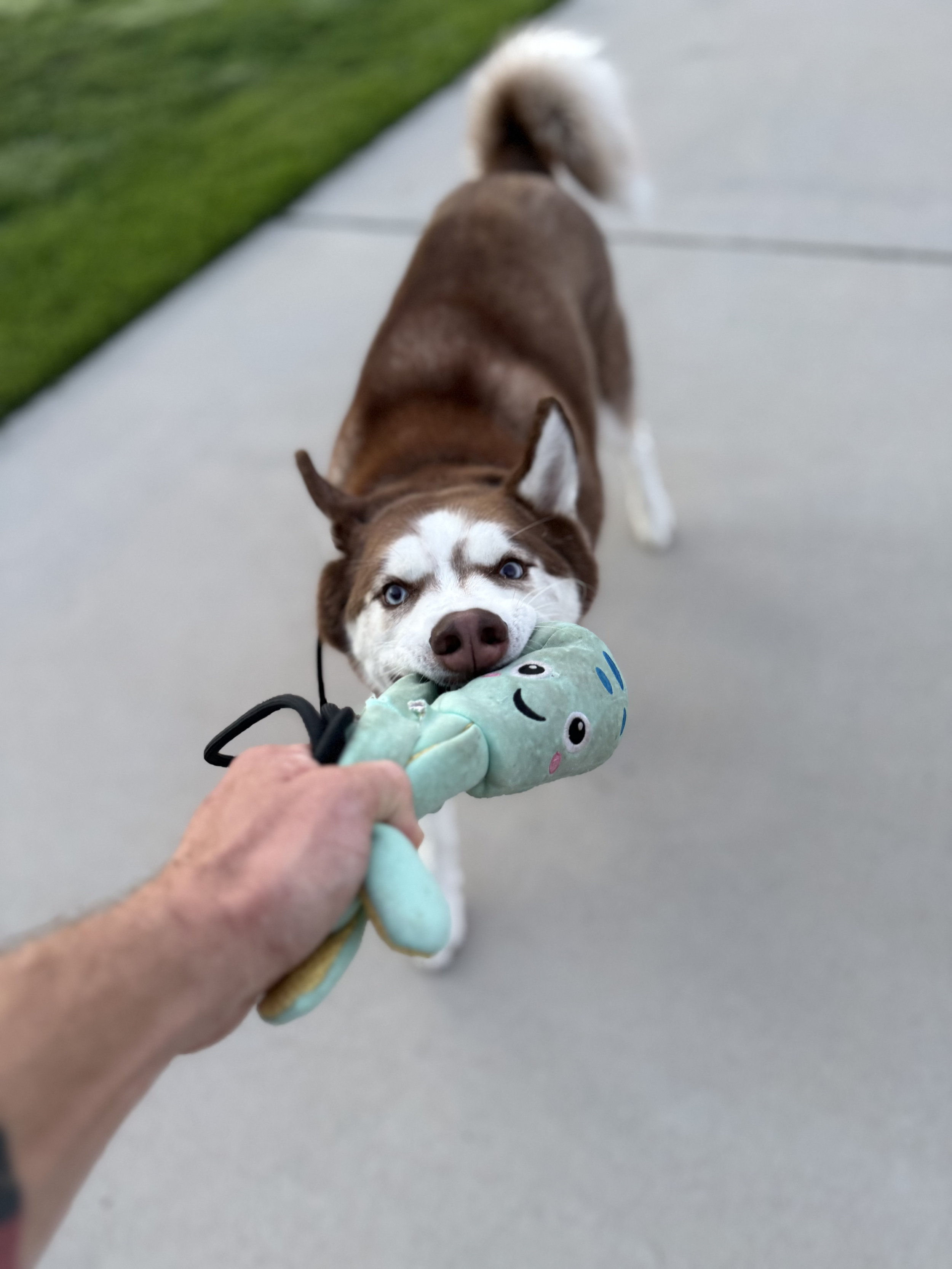
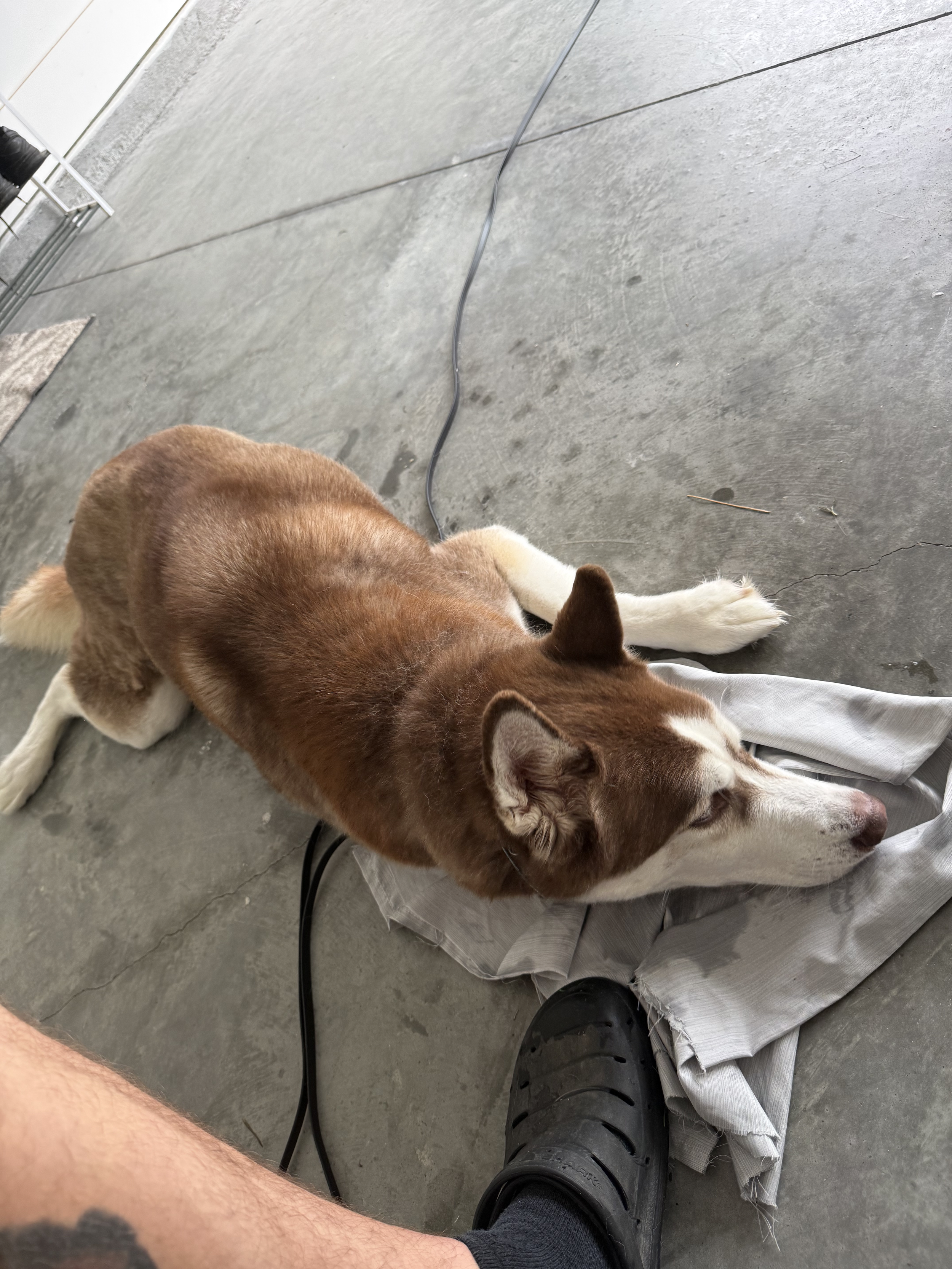
Kj and I are taking on the dental floss challenge! Walking nicely on his flat collar with a single strand of dental floss!
The screaming child added a nice distraction for our dental floss walking challenge!
Ready to lock in with your dog?
Fill out the form, and let’s deepen your relationship with Dog today:)